
Friday, January 02, 2026

Don't Make New Year's Resolutions

Tuesday, December 16, 2025

30 Landmark Global Studies: The Evidence Base for Plant-Based Diets in Health Policy.

Global Studies Recommending Plant-Based Diets for Health

As global health bodies and governments continue to debate sustainable and cost-effective food systems, the scientific consensus on well-planned plant-based dietary patterns has solidified. This post serves as a definitive, curated resource for public health professionals, policymakers, and researchers.

Below is a curated set of landmark cohort studies, randomized clinical trials (RCTs), and umbrella/meta-analyses that consistently associate well-planned plant-based (and plant-forward) eating with better cardiometabolic outcomes, lower all-cause mortality, and reduced risk of several chronic diseases.

Summary Highlights: The Policy Message

  1. Consistency Across Designs: Large prospective cohorts, randomized trials, and umbrella reviews converge on improved cardiovascular, diabetes, blood pressure, and weight outcomes with plant-based dietary patterns.

  2. Quality Matters: Healthful plant-based diet indices (emphasizing whole grains, legumes, vegetables, fruit, nuts, and minimal ultra-processed foods) show the strongest risk reductions versus "unhealthful" plant diets.

  3. Core Mechanisms: Benefits stem from lower saturated fat and dietary cholesterol, higher fiber and polyphenols, improved lipid profiles, enhanced insulin sensitivity, reduced inflammation, and gut-microbiome signatures supportive of metabolic health.

  4. Policy Relevance: These robust findings sustain updates to national and global dietary guidelines, school and hospital food standards, chronic disease prevention strategies, and food labeling/marketing constraints.


Top 30 Studies and Reviews (Links)

(The list has been maintained, but key titles are bolded for quick scanning and the sections are visually separated.)

A. Cohort Studies (Population-Level Risk and Mortality)

  1. EPIC‑Oxford: Plant‑based diets and long‑term health. Cambridge/Proceedings of the Nutrition Society (2021) https://www.cambridge.org/core/journals/proceedings-of-the-nutrition-society/article/plantbased-diets-and-longterm-health-findings-from-the-epicoxford-study/771ED5439481A68AD92BF40E8B1EF7E6

  2. EPIC‑Oxford (BMJ 2019): Ischaemic heart disease and stroke in meat‑eaters, fish‑eaters, vegetarians, vegans https://www.bmj.com/content/366/bmj.l4897

  3. Adventist Health Study‑2 (JAMA Intern Med 2013): Vegetarian dietary patterns and mortality https://jamanetwork.com/journals/jamainternalmedicine/fullarticle/1710093

  4. AHS‑2 (JAMA Intern Med 2015): Vegetarian diets and colorectal cancer risk https://jamanetwork.com/journals/jamainternalmedicine/fullarticle/2293088

  5. Healthful vs unhealthful plant‑based diet and CHD risk (J Am Coll Cardiol 2017) https://www.jacc.org/doi/10.1016/j.jacc.2017.05.047

  6. Plant‑based diet index and type 2 diabetes risk (JAMA Intern Med 2019) https://jamanetwork.com/journals/jamainternalmedicine/fullarticle/2732799

  7. Plant‑based diet quality and all‑cause mortality (Circulation 2019) https://www.ahajournals.org/doi/10.1161/CIRCULATIONAHA.119.041014

  8. Plant‑based diet indices and hypertension incidence (Hypertension 2020) https://www.ahajournals.org/doi/10.1161/HYPERTENSIONAHA.120.15144

  9. Plant‑forward dietary patterns and heart failure risk (JACC HF 2019) https://www.jacc.org/doi/10.1016/j.jchf.2019.03.012

  10. Plant‑based diet and CKD risk/mortality (CJASN 2019) https://journals.lww.com/cjasn/pages/articleviewer.aspx?year=2019&issue=02000&article=00014&type=Fulltext

B. Randomized Clinical Trials (Mechanisms and Disease Reversal)

  1. Ornish Lifestyle Heart Trial (Lancet 1990): Lifestyle changes and CAD regression https://www.sciencedirect.com/science/article/abs/pii/S014067368091998X

  2. Ornish 5‑year outcomes (JAMA 1998): Sustained CAD regression https://jamanetwork.com/journals/jama/article-abstract/187964

  3. Esselstyn clinical series (Am J Cardiol 1999; Exp Clin Cardiol 2014): Plant‑based reversal/prevention of CAD https://www.sciencedirect.com/science/article/abs/pii/S0002914998008262 https://www.ncbi.nlm.nih.gov/pmc/articles/PMC4276041/

  4. Portfolio Diet RCT (JAMA 2002): Cholesterol‑lowering foods comparable to statin effect https://jamanetwork.com/journals/jama/fullarticle/195214

  5. Portfolio Diet LDL‑C reductions (Am J Clin Nutr 2011) https://academic.oup.com/ajcn/article/93/4/821/4597511

  6. Low‑fat vegan diet in type 2 diabetes (Diabetes Care 2006) https://diabetesjournals.org/care/article/29/8/1777/24405

  7. Low‑fat vegan vs ADA diet for T2D (Am J Clin Nutr 2009) https://academic.oup.com/ajcn/article/89/5/1588S/4596956

  8. Workplace vegan intervention (GEICO study) – weight and lipid improvements (Eur J Clin Nutr 2015) https://www.nature.com/articles/ejcn2014149

  9. Plant‑based diet and insulin resistance (Nutrients 2019) https://www.mdpi.com/2072-6643/11/10/2367

  10. BROAD RCT (Nutr Diabetes 2017): Whole‑food plant‑based, ad libitum weight loss https://www.nature.com/articles/nutd201738

C. Meta‑analyses and Umbrella Reviews (Policy-Level Synthesis)

  1. Umbrella review of vegetarian/vegan health outcomes (PLOS, 2024) PLOS article: https://journals.plos.org/plosone/article?id=10.1371/journal.pone.0292256

  2. “Two decades of research show plant‑based diets are better for you” (overview of umbrella review) https://www.zmescience.com/science/news-science/two-decades-of-research-show-plant-based-diets-really-are-better-for-you/

  3. Vegetarian diets and blood pressure (JAMA Intern Med 2014) – meta‑analysis https://jamanetwork.com/journals/jamainternalmedicine/fullarticle/1879722

  4. Vegetarian diets and cardiometabolic risk (Crit Rev Food Sci Nutr 2017) – meta‑analysis https://www.tandfonline.com/doi/full/10.1080/10408398.2017.1394815

  5. Plant‑based diets and lipid profile (Br J Nutr 2017) – meta‑analysis https://www.cambridge.org/core/journals/british-journal-of-nutrition/article/effects-of-vegetarian-diets-on-blood-lipids-a-systematic-review-and-meta-analysis/8BFC1B641D6F8A8C0E5BEBB32A7B3E65

  6. Plant‑based diets and inflammatory markers (Nutr Rev 2019) – meta‑analysis https://academic.oup.com/nutritionreviews/article/77/3/161/5238534

  7. Plant‑based dietary patterns and depression risk (Mol Psychiatry 2018) – meta‑analysis https://www.nature.com/articles/s41380-018-0093-3

  8. Plant‑based diet and cancer incidence (Int J Cancer 2019) – meta‑analysis https://onlinelibrary.wiley.com/doi/full/10.1002/ijc.32137

  9. Whole‑food plant‑based diets and weight outcomes (Obes Rev 2020) – meta‑analysis https://onlinelibrary.wiley.com/doi/full/10.1111/obr.12997

  10. DASH/Mediterranean plant‑forward patterns and CVD prevention (NEJM/PREDIMED 2013; pooled evidence anchoring plant‑forward policy) NEJM PREDIMED: https://www.nejm.org/doi/full/10.1056/NEJMoa1200303 DASH evidence base: https://www.nejm.org/doi/full/10.1056/NEJM199704173361601


Key Takeaways for Policy and Practice

The cumulative evidence from these 30 studies provides a strong mandate for proactive public health interventions:

  • Cardiovascular Health: Lower LDL-C, improved endothelial function, reduced angina, and even regression of atherosclerosis have been documented in intensive plant-based interventions. Cohort data confirms lower Coronary Heart Disease (CHD) incidence in those following healthful plant-based patterns.

  • Diabetes Prevention & Management: The evidence shows a reduced incidence of type 2 diabetes and consistently improved glycemic control in RCTs of low-fat plant-based diets, often achieved without energy restriction.

  • Metabolic Syndrome: Meta-analyses show lower blood pressure and clinically meaningful, sustained weight loss with whole-food plant-based patterns.

  • Cancer Risk: Cohorts show a lower risk of colorectal cancer, and umbrella reviews confirm generally lower cancer risk associated with these dietary patterns.


Call to Action

This resource is an essential tool for evidence-based change. We invite you to use it in your advocacy work.

What institutional or government policy do you believe needs updating first based on this overwhelming scientific evidence? Share your thoughts in the comments below.

Monday, January 30, 2023

Why you should consider a Whole Food Plant Based Diet

 A whole food plant-based diet has numerous benefits for both individuals and society. This type of diet is centred around consuming unprocessed and minimally processed plant foods, such as fruits, vegetables, whole grains, legumes, nuts, and seeds. This dietary pattern has been shown to reduce the risk of chronic diseases, improve health outcomes, and promote a more sustainable food system.

One of the most significant benefits of a whole food plant-based diet is its impact on chronic disease. Studies have shown that this type of diet can help reduce the risk of heart disease, type 2 diabetes, and certain types of cancer. For example, a large meta-analysis found that a plant-based diet was associated with a lower risk of heart disease and a lower risk of type 2 diabetes. This is likely due to the high intake of fibre, antioxidants, and phytochemicals in plant-based diets, which have been shown to have protective effects against chronic disease.

In addition to reducing the risk of chronic disease, a whole food plant-based diet can also improve health outcomes. This is because it is typically low in saturated fat and high in fibre, vitamins, and minerals. As a result, individuals following a plant-based diet are often at a lower risk of obesity, high blood pressure, and high cholesterol. They are also more likely to have improved gut health, better bone health, and a stronger immune system.

A whole food plant-based diet also has numerous benefits for the environment. This is because plant-based diets typically require fewer resources to produce, leading to lower greenhouse gas emissions, reduced land use, and less water consumption. Additionally, a shift towards a more plant-based diet could help to reduce deforestation, since a significant portion of deforestation is driven by the production of animal-based foods.

In conclusion, a whole food plant-based diet has numerous benefits for both individuals and society. It has been shown to reduce the risk of chronic disease, improve health outcomes, and promote a more sustainable food system. By consuming a diet centred around unprocessed and minimally processed plant foods, individuals can take an important step towards improving their health and the health of the planet

References

  1. "Achievement of health improvement objectives through diet and lifestyle: A systematic review" - This study, published in the journal "Frontiers in Nutrition" in 2020, aimed to assess the impact of diet and lifestyle on various health outcomes, including heart disease, stroke, and type 2 diabetes. The authors conducted a comprehensive search of the literature and found that a diet rich in whole plant foods was associated with a lower risk of these chronic diseases. The authors concluded that promoting a diet centered around whole plant foods could help to improve public health.

  2. "Plant-based diets and preservation of the natural world" - This article, published in the journal "BMC Medicine" in 2014, discussed the environmental benefits of a plant-based diet. The authors noted that plant-based diets require fewer resources to produce, leading to lower greenhouse gas emissions, reduced land use, and less water consumption. The authors also noted that a shift towards a more plant-based diet could help to reduce deforestation, since a significant portion of deforestation is driven by the production of animal-based foods.

  3. "The health effects of vegan diets" - This review article, published in the journal "Annual Review of Nutrition" in 2009, summarized the evidence for the health benefits of a vegan diet. The authors conducted a comprehensive search of the literature and found that a vegan diet can be nutritionally adequate and associated with improved health outcomes, such as lower risk of heart disease, obesity, and type 2 diabetes. The authors concluded that a vegan diet can be a healthy option for individuals who choose to follow it


Sunday, May 16, 2021

Thursday, February 04, 2021

Thursday, January 07, 2021

Tuesday, January 05, 2021

Plant-Based Eating: First 21 Days


 Switching to a plant-based diet this January? Dr. Neal Barnard walks us through what you can expect the first month of going vegan. Plus, he provides tips on switching your diet when he talks with "The Weight Loss Champion" Chuck Carroll. Happy New Year!

Friday, November 27, 2020

Tuesday, April 21, 2020

Losing Weight on a Plant-Based, Vegan Diet: Tips for Success

A whopping 49.1 percent of Americans actively tried to lose weight within the last calendar year, according to the Centers for Disease Control and Prevention. The standard American diet is called SAD for a reason: It’s loaded with processed foods that drive many of the standard American diseases, including obesity. While multiple scientific studies have shown the effectiveness of plant-based diets for weight loss, not everyone will automatically lose weight after adopting a whole-food, plant-based diet. If you’ve been eating this way in the hope of achieving weight-loss goals and haven’t seen as much progress as you’d like, read on for strategies from leading plant-based experts. 

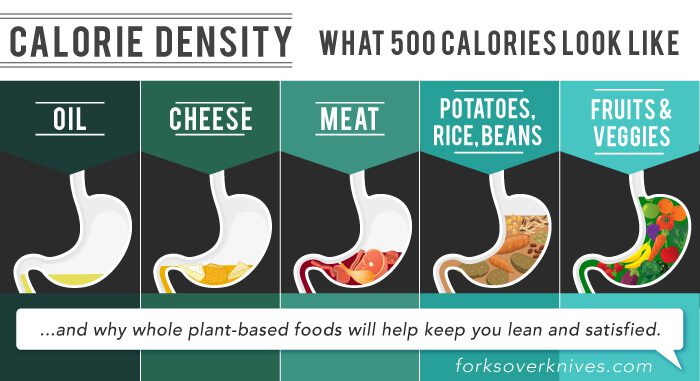
Master the Concept of Calorie Density

“Calorie density” refers to the amount of calories per pound of a given food. Foods range from around 100 calories per pound (nonstarchy vegetables) to 4,000 calories per pound (oil).
“Understanding caloric density is not about counting calories, or memorizing how many calories are in a cup of rice or half a cup of blueberries,” says Chef AJ, California-based vegan chef and best-selling author of The Secrets to Ultimate Weight Loss. “When you change the average calorie density of the food you eat each day, you can literally consume twice as much food in terms of volume, yet take in half as many calories. As luck would have it, the healthiest, most nutrient-dense foods on the planet—whole plant foods—are also the most calorically dilute. By understanding and implementing calorie density, you really can eat more and weigh less.”
By focusing on low-calorie density foods that are a natural part of a whole-food, plant-based diet, you’ll get lots of nutritional bang for your buck. 
“Foods that are lower in calorie density (fruits, veggies, starchy vegetables, intact whole grains and legumes) are also higher in nutrient density,” says Jeff Novick, MS, RD. “Therefore, by following a diet lower in calorie density, one also automatically consumes a diet higher in nutrient density.”
Garth Davis, MD, medical director of Mission Weight Management Center in Asheville, North Carolina, and author of Proteinaholic, echoes the sentiment: “Natural, unprocessed foods are loaded with fiber and water, which make you feel full without delivering as many calories.” The one caveat has to do with oil. “Watch out with the oils, as people often take a perfectly good salad with low calorie density and then add a ton of oil-filled dressing that’s extremely calorie dense,” he adds. Which leads to our next tip…

Cut Out Added Oil

Most people who cut added oils find that weight slides off easily, even if they’ve been on a plateau. Why?
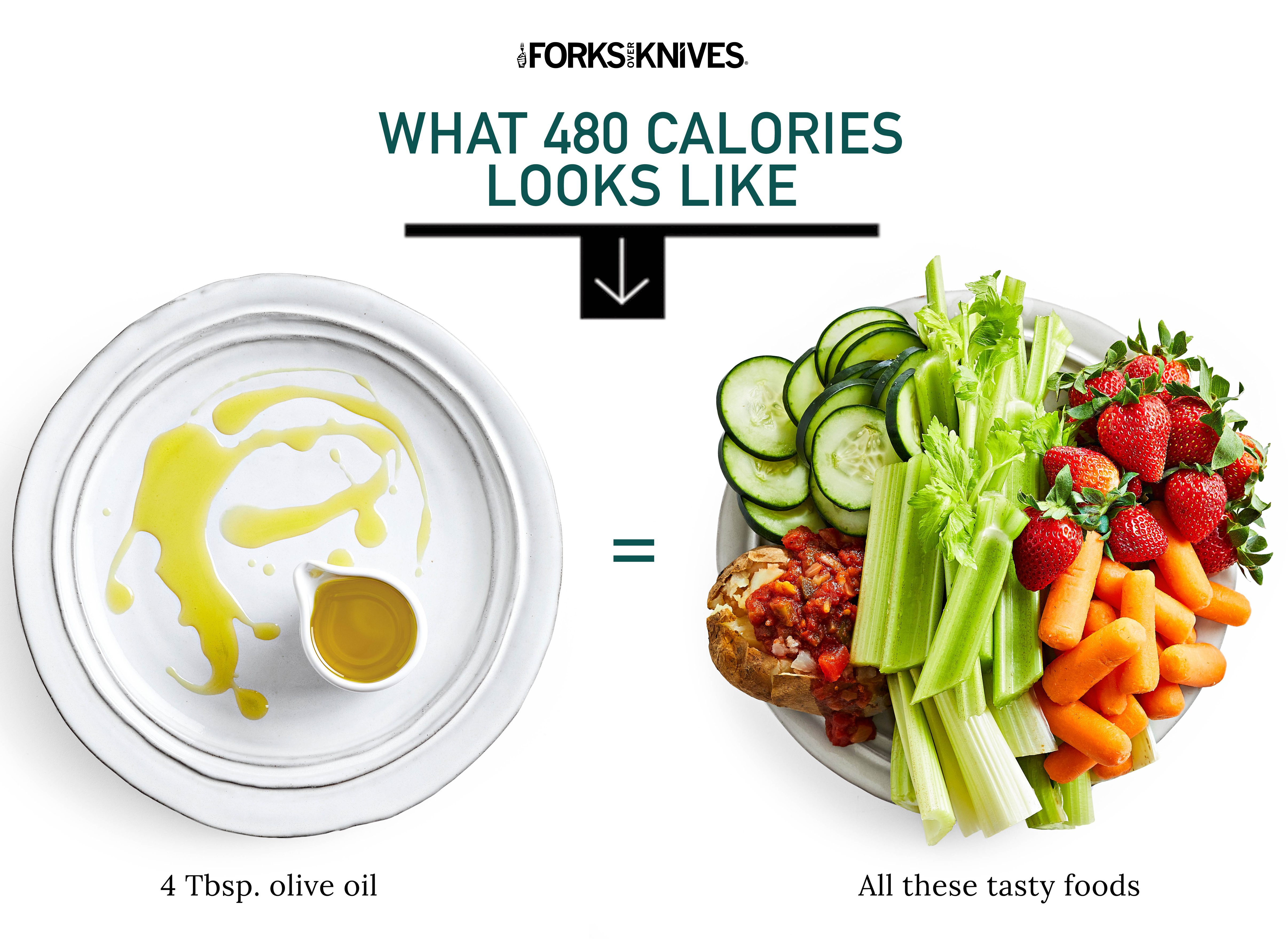
“Oil is the most calorie-dense food by volume,” says Micaela Karlsen, PhD, MSPH, director of the Lifestyle Medicine Economic Research Consortium in Ithaca, New York, and founder of SustainableDiet.com, a distance-based, three-month support program to help people transition to plant-based eating. 

One cup of oil contains almost 2,000 calories. One cup of brown rice has only about 130 calories. (Other plant foods, besides high-fat nuts and seeds, are similarly calorically low.) Another major strike against oil: Because it doesn’t contain fiber, it doesn’t contribute to satiety. 
All of Forks Over Knives’ recipes are designed without oil, and YouTube is packed with videos that can teach you how to sauté with vegetable broth, bake with applesauce or other substitutes, and make oil-free salad dressings with fruit, tofu, or nuts.

 Load Half Your Plate With Nonstarchy Veggies

 Turns out, Mom was right in telling you to eat your veggies. 
“Veggies aren’t only nutritional powerhouses but also the food group that’s lowest in calorie density,” says Chef AJ. “Full of fiber and water and averaging only 100 calories per pound, they fill you up without filling you out.” 
Veggies such as kale, cabbage, spinach, and lettuce are especially beneficial: A compound in dark green leafies called thylakoid can actually turn off your hunger switch and help fight cravings for unhealthy foods, while a pound of nonstarchy veggies has fewer calories than a tablespoon of olive oil. That’s why Chef AJ recommends making 50 percent of your meals non starchy veggies. Her favorites are Brussels sprouts and zucchini. For the other half of the plate, fill it with whole foods that will satisfy your hunger, such as grains, legumes, and/or starchy veggies.

Avoid Liquid Calories

Aside from avoiding oil, you should also avoid any calories that come in liquid form, if your goal is to lose weight. “Don’t drink your calories, especially in the form of sports drinks, sodas, other sweetened beverages, and alcohol,” says Michelle McMacken, MD, director of the NYC Health + Hospitals/Bellevue’s Plant-Based Lifestyle Medicine Program. “The calories in these drinks add up fast and don’t fill you up. And for weight loss, in my experience, eating whole fruit trumps drinking fruit juice. Water is the only beverage we actually need.”

Eat Lots of Fiber-Rich Foods

 One of the healthiest ways to lose weight is adopting a lower-calorie, high-fiber, nutrient-rich diet, which means eating more whole, plant-based foods, says Alone Pulde, MD, family medicine physician in Carlsbad, California, and co-author of several books, including The Forks Over Knives Plan and Forks Over Knives Family. That’s why her go-to word is: add
“Add, add and add more whole, plant-based foods like fruits, vegetables, whole grains and legumes to every meal,” she says. Easier said than done? Nope, not when you think about combining these foods to create delicious meals like oatmeal with berries and roasted veggies with pasta. “The variety of foods you can include is limited only by your imagination,” she says.

Watch Out for Vegan Junk Foods

 Just because it’s plant-based doesn’t mean it’s healthy. “Many food companies are slapping the plant-based term on numerous foods that are often highly processed, dense in calories, and [low in] nutrients,” says Sharon Palmer, RDN, the Los Angeles–based Plant-Powered Dietitian and author of The Plant-Powered Diet and Plant-Powered for Life. This is true of plant-based burgers made by Impossible Foods and Beyond Meat
Your best bet is to stick as closely as you can to whole plant foods.  

Get Moving


Last but not least, make exercise part of your regular routine. Opt for physical activities you enjoy, as you’ll be more likely to stick to a program. Ideally, you’ll find an activity or a combination of activities that covers strength, endurance, balance, and flexibility. But don’t hesitate to simply start where you are. “If your time is severely limited or you are unable to undertake a dynamic program, it’s still always better to get out and do some activity—even if it’s just a short walk each day,” says Pulde. See No-Meat Athlete Matt Frazier’s 5 Tips for Adding Fitness to Your WFPB Lifestyle for more guidance.

Sunday, April 19, 2020

73 Cows: A 15 minute documentary

73 Cows from Alex Lockwood on Vimeo.

A 15-minute documentary. The story of Jay Wilde, a beef farmer who battles with his conscience every time he takes his cows to slaughter. Feeling trapped within an industry he no longer believes in, Jay knows he must make a change and do what no other farmer from the UK has ever done before.

Sunday, March 01, 2020

Five surprising benefits of a plant-based diet

Many of the important benefits of a plant-based diet – particularly for climate health and animals – are well known. Yet despite the science being very clear, there remains confusion about the impact on human health.

We have long known for example, that a diet centred around whole plant-foods – fruits, vegetables, whole-grains, beans, nuts and seeds – significantly reduces the risk of heart disease, type 2 diabetes, obesity and certain cancers. In fact, a low fat plant-based diet is the only diet to have been shown to actually reverse established coronary artery disease. It has also been seen to reverse type 2 diabetes, enable effective and sustained weight loss without portion control or exercise, and arrest the progression of early stage prostate cancer.

Here are five additional benefits of a plant-based diet that may surprise you.

1. Improves mental health and wellbeing
Diet choices can have a major impact on mood and mental health, and there is a very good reason for this. Diet affects the health of our gut bacteria, which produce many of the hormones active in the brain. Gut bacteria thrive on fibre, which is only found in whole plant foods. So it is no surprise to find that a plant-based diet can benefit mental health.

In one US study conducted at a large insurance company, participants who were overweight or had a history of type 2 diabetes were either prescribed a low-fat vegan diet or asked to continue their usual diet for 18 weeks. The results showed a significant improvement in mental health, wellbeing and work productivity in those on the vegan diet, as well as lower levels of depression and anxiety.

2. Reduces arthritic pain
Osteoarthritis, the painful breakdown of cartilage in the joints, appears to be an inevitable consequence of ageing. It is not reversible but it is manageable, usually with pain medication and sometimes surgery.

So what role could a plant-based diet play here? One small study looking at the diet’s impact showed a significant improvement in self-reported pain and functioning in people with osteoarthritis. One reason for this could be the anti-inflammatory properties of the micro-nutrients present in plant foods, as inflammation is the main cause of pain in arthritis. Meat-based diets have the opposite effect and, in general, increase the level of inflammation in the body.

3. Improves period pain in women
So if a plant-based diet can improve arthritis pain, could it also perhaps improve other types of pain? Some research suggests it could help with period pain in women.

For this study, women swapped to a low-fat vegan diet for two menstrual cycles, and then back to their usual omnivorous diet for their next two. Pain duration and intensity and pre-mentrual symptoms were recorded and levels of a hormone affecting oestrogen levels were measured.

On the low-fat vegan diet, women reported less pain duration and intensity, shorter duration of premenstrual symptoms and tests showed a lower level of oestrogen. People are often surprised to hear that diet can impact hormone levels in the body. This study shows exactly that, and how lower oestrogen levels can benefit women’s health in a number of ways.

4. Reduces the risk of urinary tract infections
Urinary tract infections (UTIs) are one of the most common causes of infection in the general population with the bacteria Escherichia coli (E coli) often being the culprit. Infection can occur because E coli from the intestine finds its way into the urinary tract. But UTIs can also be caused by E coli strains commonly found in farm animals such as chickens and pigs, so eating contaminated sources of meat can lead to infection.

Given the link between E coli and UTIs, It might seem obvious that those on a plant-based diet who avoid meat might have a lower risk of infection, but whether this was the case was not known for sure until recent research came out.

The analysis of several studies shows that vegetarians have a 16% lower risk of UTIs compared to non-vegetarians. This confirms previous data suggesting that meat-bourne bacteria are a major contributor to the risk of UTIs. Increasingly these food borne bacteria are displaying antibiotic resistance.

5. Saves on hospital costs
So if those following a health plant-based diet have a lower risk of ill health then surely this will save on health costs.In a large Taiwanese study, vegetarians were found to have a lower rate of outpatient visits, which translated into a 13% lower outpatient expenditure and a 15% lower total medical expenditure. So it is interesting to hypothesise the health economic impact of a plant-based diet on the UK’s cash-strapped National Health Service.

In 2017, spending on healthcare in the UK totalled £197 billion – approximately £2,989 per person. If everyone in the country shifted to a vegetarian diet, this could (using the 15% reduction as a guide) reduce healthcare expenditure by £30 billion.

Plant-based diets then, not only have the potential to dramatically improve human and planetary health, but could have significant benefits for the health of the economy too.

Saturday, December 07, 2019

Wednesday, November 06, 2019

Plant-based eating myths, busted

Plant-based diets are no fad. There are big reasons to make the switch: it's more nutritious, it's better for the Earth, and it's better for animal welfare.
But there are big reasons holding many of us back. Speaking to Coach, Simon Hill, who has a plant-based nutrition certificate from Cornell University, clears up the common myths about this way of eating.

Myth: Plant-based means going full vegan

A plant-based diet isn't all-or-nothing: it doesn't mean eliminating animal foods entirely, but simply changing the focus of your diet to plants.
Hill cites food movements like flexitarianism (flexible vegetarianism), pescetarianism (limiting animal foods to fish) and meat-free Monday (exactly what it sounds like) as some of the many different approaches to plant-based eating.
"The way that we eat, we like to label it," he says. "But it's not black and white. Health is a spectrum, and people can move along that spectrum to whatever extent works for them and fits into their lifestyle."

Myth: It's a hard switch to make

It does take some effort and experimentation to eat more plant-based foods, but the learning curve isn't as steep as you probably think.
"It might take you a couple of weeks to find your favourite [plant-based] recipes," Hill acknowledges. "But once you work out how you like to season or spice or marinate those foods, just like you would with your steak and chicken, the preparation time is exactly the same."
The internet and social media overflow with plant-based inspiration and support, while savvy restaurateurs are adding plant-based options to their menus. Food providers, like Eimele, deliver plant-based meals to your door (tomato, basil and lentil soup, anyone?) that are not only tasty and convenient, but also high in plant protein, vitamins and minerals.

Myth: You won't get enough protein

A biology primer: Protein is made up of molecules called amino acids, which are the building blocks of life, and there are nine amino acids that humans can only source from food.
High-protein animal foods (meat, eggs, dairy) typically each contain all nine of these amino acids, whereas high-protein plant foods (grains, nuts, beans) don't have the complete set. That's long been interpreted to mean that plant protein is lower quality than animal protein.
"Very, very big myth," says Hill. "As long as you're eating a healthy mix of different plant-based food groups, and you're consuming enough kilojoules, then you'll be getting all the adequate amounts of the essential amino acids."

Myth: It doesn't allow you to build muscle

Your body uses plant proteins to build strong, lean muscle just as well as it uses animal proteins.
"I get hundreds of messages from people who are amazed by the gains that they're getting in the gym [after they switch to a plant-based diet]," Hill says. "They feel better, they're recovering better, they're able to maintain or build their muscle."
Take a moment to check out Hill's Instagram profile. Still think someone who only eats a plant-based diet can't build muscle?
Eimele offers a delicious range of plant-based soups, porridges and snack bars. The entire range is tasty, healthy, high in fibre, plant protein and healthy fats to keep you feeling satisfied.
https://coach.nine.com.au/diet/plantbased-eating-myths-busted/2db9b0ea-039e-47d0-9dce-521563b6ba7e